
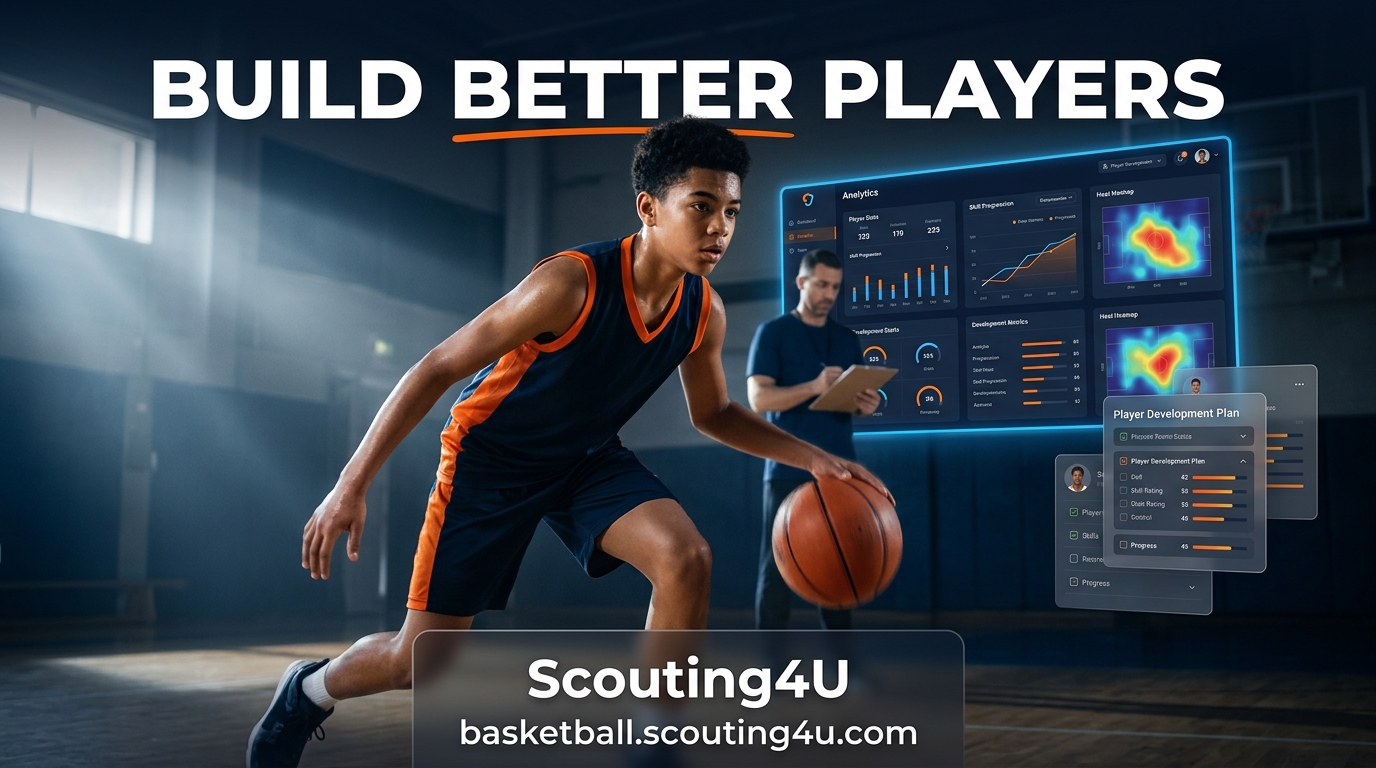
Creating a Youth Basketball Development Plan That Works
Key Takeaways
A youth basketball development plan is crucial for player growth and scouting readiness.
Tracking basketball stats and running skills assessments help identify strengths and weaknesses.
Scouting4U offers tools and analytics for effective player development and scouting.
Consistent practice and a structured plan can open doors to professional opportunities.
Why Every Young Player Needs a Structured Development Plan
Creating a youth basketball development plan is essential for nurturing future talent. Whether you are an aspiring player, a coach, or a parent, a solid plan makes all the difference. This guide helps you build a practical youth basketball development plan that covers skill improvement, stat tracking, and scouting preparation. Follow these steps and you will give any young player the best possible foundation.
Many players train hard but lack direction. A structured approach solves that problem. It turns scattered practice sessions into purposeful work. It gives players clear goals, measurable milestones, and a roadmap toward higher competition. Without a plan, effort often goes to waste. With one, every drill has a purpose.
Coaches across Europe and the United States agree on one thing. Structured development beats unstructured practice every time. The earlier you build your youth basketball development plan, the more time players have to grow. Start now, and the results will follow.
Understanding Player Development in a Youth Basketball Development Plan
Basketball player development focuses on three core areas. These are skill enhancement, physical conditioning, and mental toughness. A strong youth basketball development plan weaves all three together. Each element supports the others. A player who works on all three develops far faster than one who focuses on just one area.
Technical skills form the base of any good program. Dribbling, shooting, passing, and footwork must be drilled regularly. Physical conditioning builds the engine that powers those skills. Mental toughness keeps players performing under pressure. Together, they create a well-rounded athlete.
Basketball IQ is also a key part of development. Players must learn to read the game, not just execute movements. Understanding spacing, defensive rotations, and pick-and-roll coverage separates good players from great ones. Our guide on how to analyze pick-and-roll defense coverage explains this in detail.
Age-appropriate training matters too. A youth basketball development plan for a 10-year-old looks very different from one for a 16-year-old. Younger players need fun, varied activities that build movement skills. Older players can handle more structured workouts, position-specific drills, and data-driven feedback.
Skill Assessment: The Starting Point of Any Development Plan
You cannot improve what you do not measure. That is why skill assessment sits at the heart of every strong youth basketball development plan. Regular assessments give players and coaches an honest picture of where they stand. They remove guesswork and replace it with clear data.
A good skill assessment covers shooting accuracy, ball handling, defensive positioning, court vision, and conditioning. Run assessments at the start of each training block. Then repeat them at the end. The gap between those two snapshots shows real progress. Our article on basketball skills assessment: evaluate your game objectively walks you through the full process.
Tools like Scouting4U make assessments easier and more accurate. The platform provides metrics such as PER (Player Efficiency Rating) and TS% (True Shooting Percentage). These numbers give coaches concrete data to guide their decisions. Instead of relying on gut feelings, every choice is backed by evidence.
After each assessment, update the plan. Add new drills to fix weaknesses. Increase intensity in areas where the player is ready. A dynamic youth basketball development plan that evolves with the player is far more effective than a static one.
Tracking Basketball Stats Within Your Development Plan
Stat tracking is one of the most powerful tools in any youth basketball development plan. Numbers tell a story that the eye sometimes misses. They reveal patterns, expose weaknesses, and confirm progress over time.
Players should track several key metrics. Usage Rate (USG%) shows how often a player is involved in plays. Offensive Rating (ORTG) and Defensive Rating (DRTG) measure impact on both ends of the court. Assist-to-turnover ratio reflects decision-making quality. Tracking these stats gives everyone a shared language for improvement.
For a deeper dive into which numbers matter most, read our post on 7 basketball stats players should track for success. That guide breaks down each metric in plain language and explains how to use them in daily training.
Scouting4U provides detailed analytics dashboards that make stat tracking simple. Coaches can pull reports after each game or practice session. Players can see their own data and understand where they need to focus. When everyone in the program uses the same data, your youth basketball development plan becomes a true team effort.
Consistency is key. Track stats every week, not just before big events. Over time, you will spot trends that would otherwise stay hidden. Those trends become the foundation for the next phase of your program.
Building a Basketball Player Profile as Part of Your Plan
A strong player profile is one of the most valuable outputs of a well-run youth basketball development plan. Scouts and coaches need to see a clear, organized picture of who a player is and what they can do. A profile provides that picture in one place.
Every profile should include key stats, video highlights, physical measurements, position, and a summary of strengths. It should also show development over time. Scouts want to know not just where a player is today, but how fast they are improving. A player who grows quickly is often more attractive than one who is polished but static.
Your plan should include a dedicated schedule for updating the profile. Add new stats after each season. Replace old video clips with better ones. Keep the profile fresh and accurate. An outdated profile can hurt a player's chances just as much as a weak one.
Scouting4U makes it easy to build and maintain a professional-grade profile. The platform guides users through every step. For more tips on building an effective profile, check out our guide on how to build a basketball player profile for scouts.
Preparing for Basketball Combines and Showcases
Combines and showcases are major milestones in any youth basketball development plan. They give players a chance to perform in front of scouts and coaches from higher-level programs. Preparation matters enormously. A player who arrives ready will always outperform one who shows up hoping for the best.
Physical testing at combines usually includes sprint times, vertical jump, wingspan, and agility drills. Your plan should include specific conditioning work that targets these areas. Start preparing at least eight to twelve weeks before a combine. That gives the body enough time to adapt and improve.
Technical testing covers shooting, ball handling, and game situations. Practice these under pressure. Simulate combine conditions in training. Timed drills, competitive shooting contests, and small-sided games all help players get comfortable performing when it counts.
Video preparation is equally important. Many scouts review film before they even attend a combine. Make sure your player profile includes recent, high-quality highlights. Schedule regular video review sessions so players can see themselves objectively and make adjustments.
How to Get Scouted: Making Your Youth Basketball Development Plan Work for Visibility
Talent alone does not get players scouted. Visibility matters just as much. A youth basketball development plan must include a strategy for getting in front of the right people at the right time.
Attend camps, tournaments, and regional showcases. These events attract scouts who are actively looking for players. Research which events in your region draw the most professional attention. Then build your calendar around those dates. Arrive prepared, play with confidence, and let your training show.
Networking plays a big role too. Connect with coaches, trainers, and other players in the basketball community. Relationships open doors that talent alone cannot. Players who are well known and well regarded get more opportunities to prove themselves.
Digital visibility is increasingly important. Scouts now use online platforms to find and evaluate players before making contact. Scouting4U connects players with scouts and coaches across Europe and beyond. A complete, up-to-date profile on the platform puts players directly in front of decision-makers. This makes Scouting4U an essential tool in any modern youth basketball development plan.
For a full breakdown of the scouting process, read our in-depth guide on how to get scouted in basketball: step-by-step. It covers everything from first exposure to professional trials.
Using Analytics to Strengthen Your Development Plan
Data and analytics have transformed how coaches and players approach development. A modern youth basketball development plan should use analytics at every stage. From early skill assessment to combine preparation, data makes decisions sharper and results more predictable.
Advanced metrics like PER and True Shooting Percentage reveal things that basic stats miss. They show efficiency, not just volume. A player who scores 15 points per game on poor shooting is less valuable than one who scores 12 on elite efficiency. Understanding this difference builds basketball IQ over time.
Video analysis adds another layer. Watching film helps players see their own tendencies, good and bad. It speeds up learning because players can visualize corrections rather than just hearing them. Combine video with data, and you have a powerful development tool. Our guide on basketball video analysis: the complete guide to game film explains how to get the most from this process.
Scouting4U's platform brings data and video together in one place. Coaches can tag clips, build reports, and share insights with players instantly. This makes it easier to keep your youth basketball development plan aligned across the entire program. Everyone works from the same information, and no insight gets lost between sessions.
Setting Goals and Reviewing Progress in Your Plan
Goals give any youth basketball development plan its direction. Without clear targets, training lacks focus. Set goals at three levels: daily, monthly, and seasonal. Daily goals keep players engaged in each session. Monthly goals track medium-term progress. Seasonal goals define what success looks like at the end of a training block.
Use the SMART framework. Goals should be Specific, Measurable, Achievable, Relevant, and Time-bound. Instead of saying "get better at shooting," say "increase three-point percentage from 28% to 35% by the end of the season." That kind of specific target keeps everyone accountable.
Review progress regularly. Schedule monthly check-ins where coaches and players sit down and look at the data together. Compare current stats to goals. Celebrate progress and adjust where results are falling short. This review process keeps the plan alive and relevant throughout the season.
Long-term planning matters too. Think about where the player wants to be in two or three years. Work backward from that vision to build the steps needed today. A plan that connects daily drills to long-term ambitions is one that players will stay committed to. For a broader look at how structured programs drive growth, see the complete guide to basketball player development.
Conclusion
A well-structured youth basketball development plan is the foundation every aspiring athlete needs. It turns raw talent into polished skill. It replaces guesswork with data. It connects hard work in practice to real opportunities in games and combines. By focusing on skill development, stat tracking, player profiling, and scouting preparation, any young player can significantly improve their prospects.
Scouting4U provides the analytics, tools, and resources to make your youth basketball development plan as effective as possible. From skills assessment to player profiles to advanced metrics, the platform covers every stage of development. Start building your plan today, and give your game the structure it deserves. Explore the full range of tools on the Scouting4U platform features page or check out the Scouting4U subscription plans and pricing to find the right fit for your program.
Frequently Asked Questions
What is a youth basketball development plan?
A youth basketball development plan is a structured approach to developing young players. It combines skill training, physical conditioning, stat tracking, and scouting preparation into a single, coordinated program. The goal is to give players clear direction, measurable milestones, and the tools they need to reach higher levels of competition.
How often should I update a youth basketball development plan?
You should review and update your plan at least once per month. After each training block or season, do a full review. Compare actual progress to your goals, adjust drills and targets, and set new benchmarks for the next phase. A youth basketball development plan that evolves with the player is always more effective than one that stays fixed.
How can I track basketball stats as part of my development plan?
Start by identifying the key metrics that matter for your position and goals. Focus on stats like USG%, ORTG, DRTG, and assist-to-turnover ratio. Platforms like Scouting4U make it easy to log, visualize, and analyze these numbers over time. Consistent tracking turns raw data into actionable insights that drive real improvement.
Why is a basketball player profile important in a development plan?
A player profile gives scouts and coaches a clear, organized picture of a player's abilities and progress. It showcases stats, video highlights, and physical measurements in one place. Including profile development in your youth basketball development plan ensures players are always ready to be evaluated. An up-to-date profile dramatically increases visibility with scouts and recruiters.
How does Scouting4U support a youth basketball development plan?
Scouting4U provides a full suite of tools designed to support every stage of a youth basketball development plan. The platform offers advanced analytics, video analysis, player profiling, and direct connections to scouts across Europe. Coaches and players can use the data to make smarter decisions, track growth accurately, and increase their visibility in the competitive basketball marketplace.
Enjoyed this article? Share it with others!
Founder & Lead Scout, Scouting4U
2x EuroLeague champion with 30+ years in professional basketball. Daniel won EuroLeague titles with Maccabi Tel Aviv, helped build the staff behind the 2007 European Championship, and has delivered 100+ professional scouting reports across 50+ leagues. If it happened in a European basketball front office, he was probably in the room. He founded Scouting4U in 2010 to bring championship-level scouting intelligence to every club.
No reviews yet. Be the first to share your experience!
Related Articles
Basketball Combine Preparation: What Scouts Measure
What Is Basketball Combine Preparation?Basketball combine preparation is the structured process of getting ready to perf...

How to Build a Basketball Player Profile for Scouts
Key TakeawaysCreating a strong basketball player profile for scouts is crucial for getting noticed.Track essential baske...
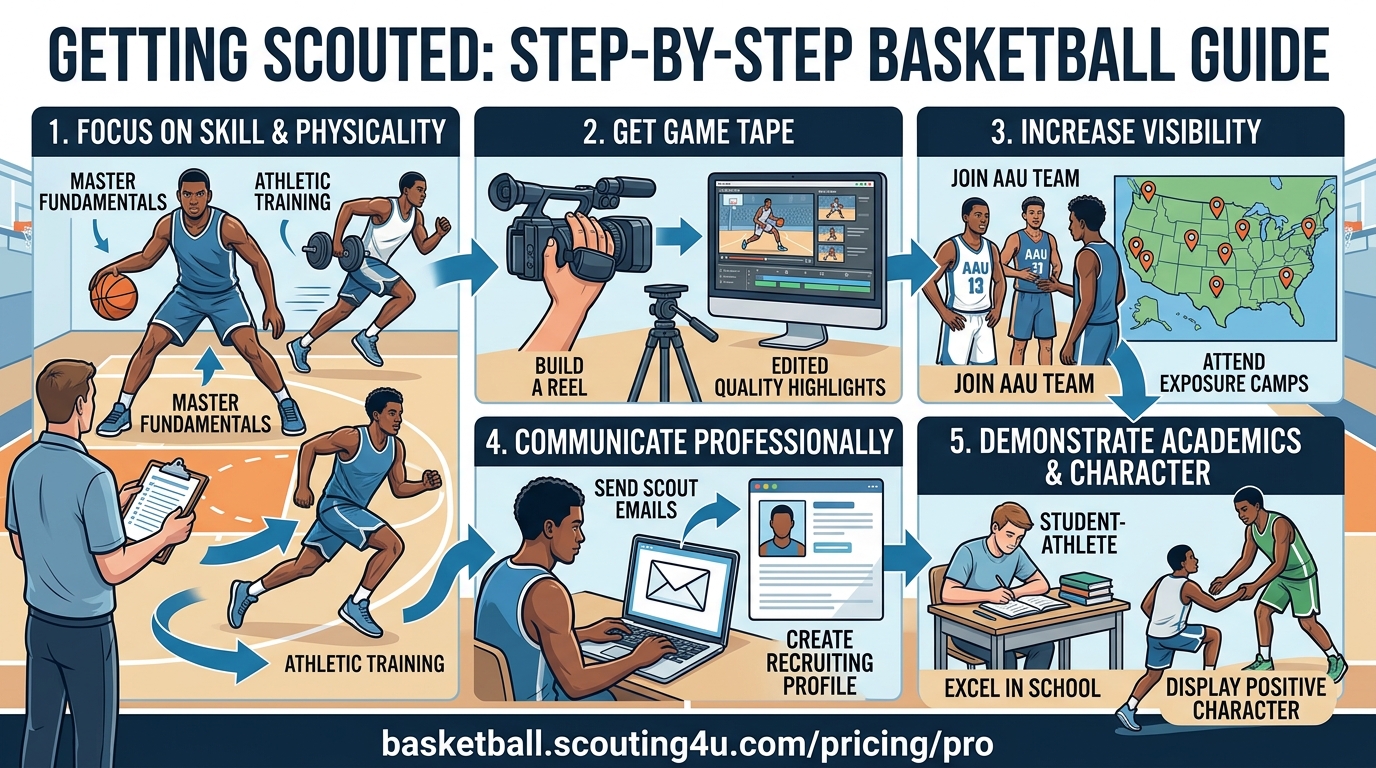
How to Get Scouted in Basketball: Step-by-Step
Key TakeawaysConsistently improve your skills and track your progress to get scouted in basketball.Create a standout bas...